
Walsall Bat Surveys & Mitigation
Helping landowners, developers, architects and homeowners to meet
bat surveys in Walsall legislation quickly & with ease

Full Membership
Fully Licenced

Fully Insured

ICO Compliant
Looking for professional bat surveys in Walsall? Our experienced ecologists provide comprehensive bat survey services tailored to meet Walsall Council planning authority requirements, helping developers, homeowners and land managers secure planning approval quickly and confidently. We offer dusk and dawn emergence surveys, bat roost assessments, presence/absence surveys, repeat seasonal surveys and daytime inspection surveys, all carried out by licensed bat surveyors who understand the specific habitats and planning policies across Walsall and the wider West Midlands.
We focus on delivering legally robust bat surveys in Walsall that support your development timeline: timely survey scheduling, clear mitigation recommendations, and fully compliant reports suitable for planning submissions and European protected species licence applications. Our surveys identify potential impacts, propose practical mitigation and enhancement measures (bat boxes, roost retention, sensitive lighting plans, habitat connectivity), and include high-quality maps and photographic evidence to strengthen your application.
Choose local specialists in bat surveys in Walsall who combine field expertise, up-to-date ecological methods and strong relationships with local planning officers. Contact us to arrange a site appraisal, get a fixed-price quote, or discuss how targeted bat surveys can reduce project delays and ensure regulatory compliance while protecting local bat populations.
Roost Assessments
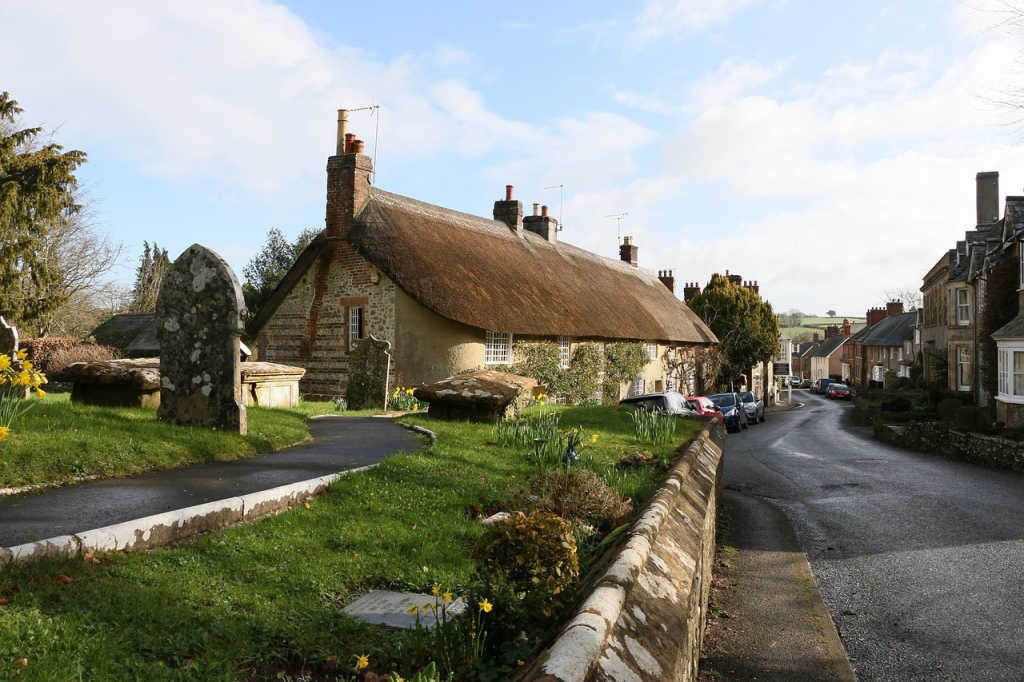
Preliminary roost assessments or scoping bat surveys is the initial phase of any bat survey process. An experienced member of our team will undertake an initial site visit during daylight hours. Unlike activity bat surveys, Roost assessments can be undertaken all year round.
Activity Bat Surveys
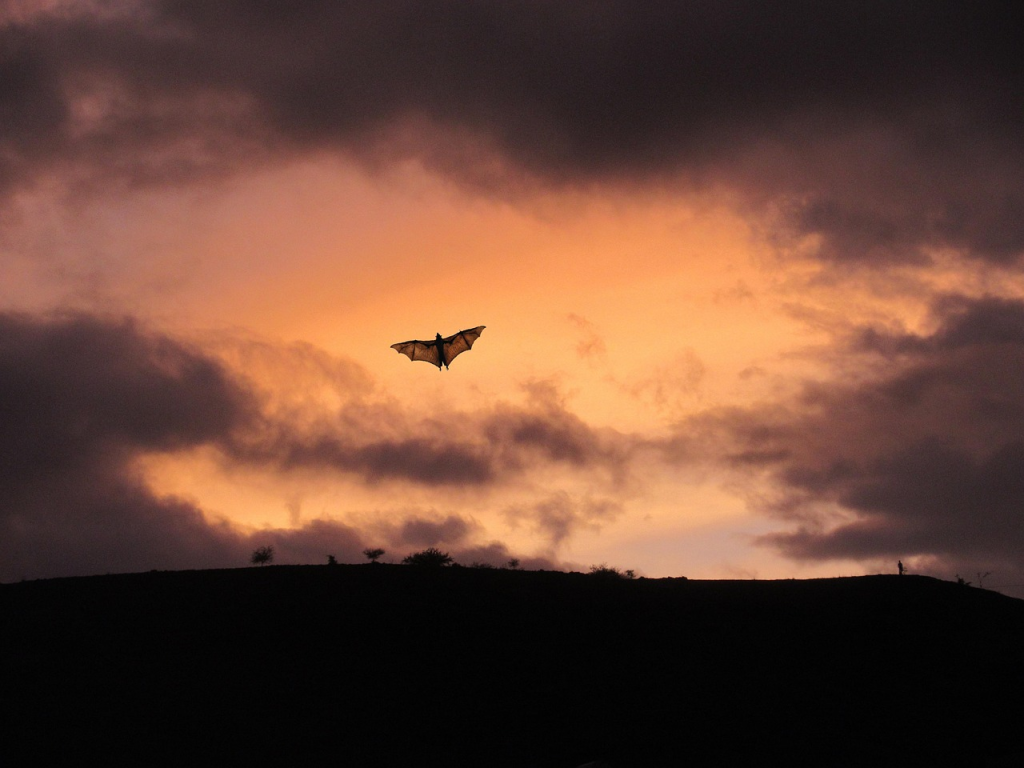
Should evidence or potential for bats be identified via the phase 1 preliminary roost assessment, further bat survey effort may be required. This next stage is known as emergence surveys also known as activity or dusk and dawn bat surveys. Activity bat surveys are undertaken between May & September.
Mitigation & Strategy
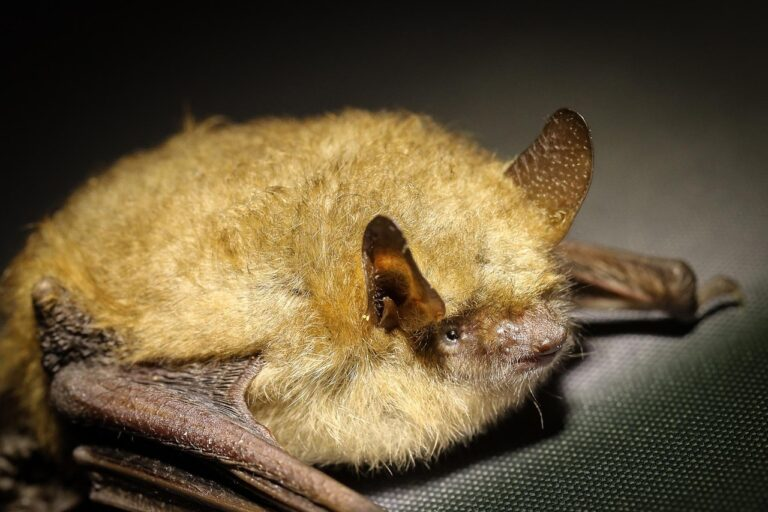
Should evidence show that bats are identified via emergence/ activity bat surveys, then a final step of bat mitigation will be required. Working with your ecology consultancy you will design a mitigation plan. This involves applying to Natural England for a protected species licence.

Bat surveys near you

Bat surveys Calendar
Roost Assessments

Activity Bat Surveys

Survey Key


Bat survey insights
Learn more about bat surveys, survey case studies, current policies that protect bats and what the future for bat surveys looks like.
Bat surveys in Walsall: A Complete Guide for
Homeowners and Developers

Fully Accredited
We’re fully accredited, licenced and insured. Our experienced ecologists are full members of CIEEM, licenced by Natural England and are covered by comprehensive insurances.
Fast & Reliable

Recommended
100% Success
If you’re planning a new build, renovation, loft conversion or demolition in Walsall, arranging professional bat surveys in Walsall should be one of your first steps. Bat surveys in Walsall confirm whether bats are present, locate and characterise roosts and access points, and evaluate how proposed works may affect legally protected roosts under UK wildlife law. Typical bat surveys in Walsall combine a detailed daytime inspection to find droppings, staining, entry holes and potential roost features with dusk and dawn emergence and re-entry acoustic surveys to record activity, estimate numbers and identify species.
Commissioning an experienced, licensed ecologist to undertake bat surveys in Walsall at the earliest stage reduces the risk of planning delays and legal penalties, and allows prompt development of mitigation, licensing strategies and site-specific working methods so your project can proceed while protecting local bat populations.
This comprehensive guide to bat surveys in Walsall explains when bat surveys in Walsall are required for planning applications, what a robust bat survey report must include (species present, roost type and condition, risk assessment and detailed mitigation), and the seasonal survey constraints—spring and summer activity surveys versus winter hibernation considerations. Local ecologists who regularly deliver bat surveys in Walsall bring essential knowledge of the borough’s habitats, common bat species and Metropolitan Borough planning expectations, helping to accelerate approvals by providing clear, evidence-based recommendations, practical mitigation plans and, where necessary, bespoke licence applications. Investing in timely, high-quality bat surveys in Walsall protects biodiversity, safeguards your project timetable and gives planning authorities the confidence to approve developments with appropriate ecological safeguards and legally compliant mitigation.
Frequently Asked Questions About Protectes Species
What Types Protected species surveys: why they’re essential for your planning application
Local planning authorities require robust protected species surveys as part of planning applications to prove your development won’t harm wildlife, comply with environmental law, and avoid costly delays or enforcement action.
How long do protected species surveys take?
Protected species surveys vary: an initial protected species survey or desk-based assessment can often be completed within a day, but full, species-specific protected species surveys usually require multiple site visits over set seasonal windows and can take several weeks to several months. Duration depends on the target species, habitat, survey methods, weather conditions and any necessary licensing or repeat visits to meet survey standards.
Can I start work before protected species surveys are completed?
No — beginning work before protected species surveys and ecological clearance are complete can lead to committing a wildlife offence. Always wait for the survey results, required mitigation or a licence to avoid legal penalties and protect vulnerable wildlife.
What happens if protected species are found during protected species surveys?
If protected species are identified during protected species surveys, your ecologist will recommend appropriate mitigation measures, advise on any necessary licensing, and propose alterations to the project design or timing to ensure legal compliance, reduce harm, and maintain project progress.
How much do protected species surveys cost?
The cost of protected species surveys varies based on the target species, survey season and intensity, site size and complexity, and any required licences or mitigation. Typical factors that influence pricing include surveyor experience, number of visits, access requirements and report or licence application fees. We provide tailored, transparent quotes for protected species surveys before any work begins so you can compare options and budget confidently.
Do protected species surveys need to be carried out on small sites?
Yes—protected species surveys are often required even on very small sites. Species such as bats, nesting birds, amphibians and reptiles can occupy gardens, lofts, small ponds and hedgerows, so a professional protected species survey can identify risks and help secure planning permission and legal compliance.
What are the penalties for harming protected species?
Harming a protected species can lead to criminal prosecution, unlimited fines and lengthy project delays; commissioning thorough protected species surveys early helps mitigate risk and demonstrate compliance with wildlife protection laws.
Why Bat Surveys in Walsall Are Essential
Bat surveys in Walsall are essential because all UK bat species and their roosts are legally protected. Developers, homeowners and land managers must understand these protections to avoid legal breaches and planning delays.
- The Wildlife and Countryside Act 1981
- The Conservation of Habitats and Species Regulations 2017 (as amended)
- Under these laws, it is a criminal offence to:
- Deliberately or recklessly kill, injure or disturb a bat
- Destroy, damage or block access to a bat roost, even if bats are not present at the time
Because of these protections and local planning policy, Walsall Council commonly requires thorough bat surveys in Walsall as part of any planning application that could affect buildings, trees or habitats used by bats. Early, professional bat surveys in Walsall help identify presence or likely absence, inform proportionate mitigation or licensing, and prevent costly redesigns or enforcement action. Commissioning timed activity surveys, roost assessments and emergence surveys from licensed ecologists ensures compliance with national law and Walsall Council planning requirements and demonstrates that ecological impacts have been properly considered in your project.
Why Bat Surveys in Walsall Are Essential for Planning Permission
When you are undertaking building works, conversions, roofing, tree removal or site clearance in Walsall, professional bat surveys in Walsall are a vital part of the planning process. Local planning authorities routinely require an ecological appraisal and targeted bat surveys in Walsall to confirm whether protected species are present and to ensure compliance with wildlife legislation. A robust bat surveys in Walsall report allows planners and ecological consultants to accurately assess ecological risk, specify lawful mitigation measures, and determine whether development proposals need redesign or licensing. Commissioning timely, accredited bat surveys in Walsall helps avoid costly planning delays, enforcement notices or prosecution and gives developers, homeowners and contractors the evidence needed to secure planning permission with confidence.
What bat surveys is Walsall typically cover
- Preliminary Roost Assessment (PRA): A daytime inspection of buildings, trees and structures across Walsall to identify potential roost features, evidence of bats (droppings, staining, feeding remains) and risk to development. High-quality PRAs for bat surveys is Walsall include photographic records, GPS locations and clear recommendations for further survey or exclusion.
- Activity surveys: Evening and pre-dawn transects using static and hand-held bat detectors to record species, activity levels, emergence/return behaviour and flightlines. For bat surveys is Walsall, surveyors target peak bat seasons and use standardised methods to produce robust evidence for planning and licensing.
- Tree climbing and endoscopic inspections: Where cavities, rot holes or tight fissures are suspected, specialist inspections (rope access or endoscope) confirm presence or absence of roosting bats. Including these methods in bat surveys is Walsall ensures concealed roosts are not missed and minimises uncertainty in reports.
- Mitigation, licensing and detailed reporting: If roosts are confirmed, comprehensive bat surveys is Walsall will include avoidance and mitigation measures, design of replacement roosts, timing constraints, and step-by-step guidance for obtaining a Natural England licence. Reports are presented with clear maps, evidence, and practical recommendations to support planning applications and development delivery.
Timing, Specialists and Outcomes for Bat Surveys in Walsall
Bat surveys in Walsall are seasonally focused: most surveys take place between May and September when crepuscular and nocturnal bat activity peaks and detection rates are highest. Effective bat surveys in Walsall combine thorough daytime roost inspections with multiple dusk and dawn emergence/re-entry watches, supplemented by static and mobile bat detectors deployed across several survey visits to satisfy planning guidance and licensing requirements. Only licensed bat ecologists may undertake intrusive searches, handle bats or provide advice for Natural England licence applications, so commissioning an experienced, licensed surveyor for bat surveys in Walsall reduces risk to protected species and minimises planning delays. A comprehensive bat survey report for Walsall developments should document survey effort and timing, confirmed and probable species records, roost type and status with evidence, site maps and bat flightlines, recommended mitigation and enhancement measures, and clear, development-focused recommendations for planners and developers. High-quality bat surveys in Walsall therefore help secure planning permission, demonstrate compliance with wildlife legislation, reduce project risk and protect local biodiversity while identifying opportunities for positive ecological gain.
Consequences of Not Carrying Out Bat Surveys in Walsall
Failing to commission appropriate bat surveys in Walsall puts developments at serious risk: planning applications can be refused or stalled, projects may face costly redesigns or mitigation measures, and developers can incur fines or legal action under the Wildlife and Countryside Act and the Conservation of Habitats and Species Regulations. The importance of bat surveys is Walsall projects cannot be overstated — protected bat species and their roosts receive strict legal protection and local planning authorities, including Walsall Council, expect robust survey evidence before granting permission. Commissioning an experienced local bat surveyor early reduces the risk of delays, secures timely planning decisions, ensures compliance with national and Walsall-specific planning policies, and can identify practical mitigation options that keep schemes on schedule and within budget.
Why bat surveys is Walsall essential
Bat surveys is Walsall a critical activity because the borough uniquely combines dense urban zones with extensive green and blue corridors that sustain rich bat populations. Woodlands, canals and rivers such as the River Tame, elevated heath around Barr Beacon, key parks like Walsall Arboretum, continuous hedgerows, agricultural land and disused industrial buildings together form high-quality foraging, commuting and roosting habitat. For developers, planners and conservationists alike, bat surveys is Walsall-relevant intelligence that reduces ecological risk and ensures legally compliant decision-making.
Principal reasons to prioritise bat surveys is Walsall include:
- Species diversity: Walsall’s mosaic of habitats supports multiple bat species that use buildings, mature trees and waterways at different times of year.
- Legal protection: all bat species and their roosts are protected, making accurate surveys essential to avoid legal and financial penalties.
- Planning certainty: commissioning bat surveys is Walsall-specific early in project design minimises planning delays and costly redesigns by identifying constraints up front.
- Targeted mitigation and licensing: high-quality survey data informs proportionate avoidance measures, mitigation plans and Natural England licensing applications where required.
- Seasonal windows: licensed bat surveys is Walsall-compliant work follows established seasonal survey periods (spring to autumn) to capture emergence, activity and roost occupancy patterns.
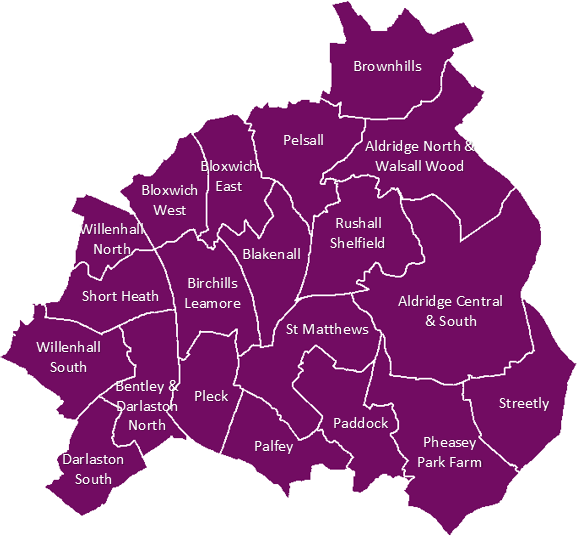
Typical species encountered during bat surveys is Walsall include common and soprano pipistrelles, brown long-eared bats, noctules and Daubenton’s bats. These species are frequently recorded roosting in lofts, barns, bridges, tree cavities and canal-side structures across wards and settlements such as Aldridge, Bloxwich, Brownhills, Darlaston and Walsall town centre. Well-executed bat surveys is Walsall-focused provide clear survey reports, mapping of flightlines and recommended mitigation that support planning approvals and long-term biodiversity gains across the borough.
When Is a Bat Survey Required in Walsall?
Bat surveys in Walsall are required whenever a site, structure or nearby habitat could support roosting, commuting or foraging bats. Commissioning professional bat surveys in Walsall early in the design or planning stage reduces the risk of delays to planning permission and ensures legal compliance with wildlife protection laws. Typical triggers for bat surveys in Walsall include the presence of features known to attract bats, planned works that could disturb roosts, or developments near strategic green corridors and watercourses.
Your site includes:
- Tiled or slate roofs with gaps, missing tiles or loose ridge tiles — common bat entry points identified during bat surveys in Walsall
- Loft voids, poorly sealed rooflights or voided chimneys that provide sheltered roosting opportunities assessed in Walsall bat surveys
- Cavity walls, soffits, timber cladding or eaves with crevices where bats may shelter — features routinely inspected during bat surveys in Walsall
Your development involves:
- Demolition, roof removal or major refurbishment that could destroy or disturb bat roosts — triggers for licensed bat surveys in Walsall
- Loft conversions, extensions or alterations that affect roofspace or external bat access points
- Barn or agricultural building conversions where bat presence is common
- Tree felling, pruning or hedgerow removal near known commuting routes or potential roost trees
- Works to bridges, culverts, canal structures or other engineered features used by bats
- Alterations to historic or pre-20th century buildings that often host bat roosts
Walsall Council and ecological guidance recommend early ecological appraisal. If bat presence is suspected or confirmed following preliminary assessment, full licensed bat surveys in Walsall and a detailed mitigation strategy prepared by a licensed ecologist are required to secure planning consent. Professional bat surveys in Walsall include daytime roost inspections, dusk/dawn activity surveys and, where necessary, automated detector surveys and emergence counts to accurately inform mitigation and licensing applications.
Bat Surveys is Walsall: The Two Main Types
1. Preliminary Roost Assessment (PRA)
A Preliminary Roost Assessment is the essential first step for bat surveys is Walsall and should be carried out year-round by a licensed ecologist. The PRA involves a thorough external and internal inspection of buildings and trees to detect signs of bat presence and to assess roosting suitability, including:
- Bat droppings (faeces) and urine staining
- Grease marks and rub marks around access points
- Feeding remains such as insect wings
- Potential entry and exit points, crevices, loft gaps and cavities
- Structural and landscape features affecting suitability (roof type, age, vegetation)
Following the PRA the site is graded as low, moderate or high potential for roosting. For bat surveys is Walsall, a low potential often means no further surveys are required, while moderate or high potential will typically trigger targeted dusk and/or dawn emergence and re‑entry surveys. The PRA report summarises findings, recommends next steps, and outlines any necessary mitigation to keep projects compliant with UK and local Walsall planning policies.
2. Emergence and Re-Entry Surveys (BERS)
Emergence and Re-Entry Surveys provide confirmation of active roosts, identify species, estimate numbers, and determine roost type and usage patterns — a vital part of bat surveys is Walsall when PRA indicates moderate or high potential.
- Season: typically May–September to capture breeding and juvenile activity
- Timing: conducted at dusk for emergence and at dawn for re-entry observations
- Frequency: usually 2–3 visits per roost to provide robust data on presence and behaviour
- Equipment: full surveys use heterodyne and frequency-division bat detectors, plus infrared or thermal cameras and static acoustic monitors to capture echolocation calls and visual activity
- Analysis: specialist acoustic and visual analysis confirms species, counts individuals where possible, maps flightlines and foraging areas, and assesses disturbance risk
Results from BERS feed directly into mitigation design, development planning and any required Natural England licence applications. For local developers and homeowners seeking bat surveys is Walsall, professional survey reports support planning submissions, reduce risk of delays, and ensure lawful, evidence-based mitigation to protect both bats and projects in the Walsall area.
Walsall Council Planning Policy on Bat Surveys in Walsall
Bat surveys in Walsall are a statutory and planning requirement for developments that may affect roosting, foraging or commuting bats. To achieve sound ecological assessment and robust planning submissions, bat surveys in Walsall must follow recognised best practice and statutory guidance.
- CIEEM best practice standards for ecological surveys and reporting
- Bat Conservation Trust guidance on survey timing, techniques and licensing
- Natural England advice on protected species licensing and mitigation
Failing to commission appropriate bat surveys in Walsall or submitting incomplete survey evidence can have significant consequences for planning applications.
- Validation delays or requests for further information from Walsall Council
- Planning refusal where impacts on bats cannot be demonstrated to be avoided or mitigated
- Potential enforcement action and legal risk if works proceed without required surveys or licences
High-quality bat surveys in Walsall identify species present, roost status, and potential impacts, and they set out proportionate mitigation and compensation measures that support biodiversity net gain. Well-executed bat surveys in Walsall strengthen planning applications, reduce the risk of delays or refusals, and ensure compliance with wildlife legislation and local planning policy.
What If Bats Are Found?
Discovering bats during bat surveys is Walsall does not automatically stop development, but it does activate strong legal protections and triggers required mitigation measures to safeguard protected species while allowing projects to proceed responsibly.
Typical Mitigation in Walsall Includes:
- Retaining key roost features where feasible—roof spaces, loft voids, and crevices—so bats can continue to use existing habitat
- Installing purpose‑built bat bricks, bat boxes or bespoke bat tiles to replace lost roosting opportunities and provide long‑term habitat continuity
- Timing works to avoid sensitive periods (maternity season and hibernation), informed by survey results and local bat activity patterns, to minimise disturbance
- Creating and maintaining dark corridors, planting native hedgerows and restoring foraging habitat to support commuting routes and feeding territories
- Implementing sensitive lighting design—directional, low‑intensity and timed lighting—to reduce light spill and preserve nocturnal foraging areas
EPS Licence
If the presence of a bat roost is confirmed, works that would affect the roost require an EPS Licence from Natural England. The licence application must be supported by an ecologist and demonstrate three legal tests:
- There is an overriding public interest or social, economic or environmental need for the project
- There are no satisfactory alternatives that would avoid harming the bats or their roost
- The proposed measures will maintain or restore the favourable conservation status of the bat population, demonstrated through robust mitigation, monitoring and post‑construction monitoring plans
Costs of bat surveys is Walsall
The cost of bat surveys is Walsall varies with property size, habitat complexity and the survey type required. A preliminary roost assessment (PRA) is the most economical starting point, while multiple dusk emergence and dawn re-entry surveys, or targeted species surveys, attract higher fees. Typical project budgets range from modest fees for a single PRA to higher costs for comprehensive survey packages that include static detector deployment, full-season monitoring and detailed reporting. Commissioning bat surveys is Walsall early in the planning stage reduces overall costs and programme risk by identifying risks and mitigation needs before costly design changes or planning delays occur. Using licensed, experienced ecologists ensures survey work and mitigation proposals meet Walsall Council and Natural England requirements, producing planning-ready reports that save time and money in the long run.
When Should You Book a Bat Survey? — bat surveys is Walsall
- Book as early as possible if you are planning works in Walsall — early booking secures surveyor availability, avoids peak-season backlog and keeps your project on schedule.
- Preliminary Roost Assessment (PRA) can be carried out in winter; this will identify potential roost features and determine whether activity surveys are required for bat surveys is Walsall projects.
- Activity surveys for bat surveys is Walsall must be conducted during the optimal season (May–September) to record emergence and foraging behaviour accurately; surveys outside this window are often invalid for licensing decisions.
- Allow additional time for mitigation measures and Natural England licensing if roosts are confirmed — designing and approving mitigation can add weeks or months to your programme.
Failing to schedule bat surveys is Walsall within the correct windows can delay planning approvals and construction by months; contact a local licensed ecologist early to integrate surveys into your project timeline and reduce risk.
Who Can Conduct a Bat Survey?
Bat surveys in Walsall must be carried out by licensed, professional ecologists with proven local experience. For compliant, planning-ready survey work you should expect practitioners who are:
- Licensed by Natural England for bat survey and mitigation work
- Full members of CIEEM (Chartered Institute of Ecology and Environmental Management)
- Experienced in navigating Walsall Council planning requirements and local ecological constraints
- Skilled in all standard bat survey methods (roost inspections, dusk/dawn transects, static detectors and activity surveys)
- Well versed in identifying and assessing the local bat species and habitats found across Walsall
At The BNG Guy we specialise in professional bat surveys in Walsall and the wider West Midlands, including Aldridge, Bloxwich, Brownhills and Darlaston. Our team delivers detailed, planning-compliant survey reports, clear mitigation strategies and licence application support so your development or restoration project stays on schedule and meets statutory requirements. If you need reliable, timely bat surveys in Walsall from licensed ecologists, contact us for a bespoke survey proposal and quote.
How Long Is a Bat Survey Valid?
Bat surveys in Walsall are generally considered valid for up to two years from the date of survey, provided there are no significant changes to the site or its surroundings. Changes that can invalidate a survey include new development nearby, alterations to the building or trees on site, seasonal habitat shifts, or delays to the project that extend beyond the typical validity window. Because Walsall Council and ecological consultees assess risk based on current conditions, developers and homeowners should factor survey age into planning timetables and seek a refresh or follow-up survey if circumstances change.
Can You Avoid a Bat Survey?
In most cases you cannot avoid a bat survey where Walsall Council requires one. If the council’s planning officer or ecological consultee identifies potential for bats, omitting the survey can lead to an invalid or refused planning application, costly delays, or the need for retrospective mitigation. Early engagement with an experienced ecological consultant specialising in bat surveys in Walsall reduces risk: a Preliminary Roost Assessment (PRA) can clarify whether emergence surveys are necessary, help you budget accurately, and streamline planning submissions.
What Happens During a Bat Survey in Walsall?
Desktop Study – A desktop study gathers local bat records, ecological designations, and habitat information relevant to bat surveys in Walsall to identify species likelihood and inform survey effort.
Site Visit (PRA) – A daytime inspection of buildings, roofs, and trees to look for signs of roosting bats (droppings, staining, access points). The PRA assesses whether further emergence or dusk/dawn surveys are needed for bat surveys in Walsall.
Emergence Surveys – If the PRA indicates potential roosts, trained ecologists carry out dusk and/or dawn emergence or re-entry surveys, typically between May and September, to confirm species presence, roost type and usage levels for bat surveys in Walsall.
Reporting – A planning-ready report summarises methods, findings and evidence for Walsall Council, provides mitigation measures, and sets out any required compensation or timing constraints for bat surveys in Walsall.
Planning Support – Consultants provide clear, locally focused advice on how to present bat survey results within your planning application to Walsall Council, reducing the chance of requests for further information.
Licence Application – Where a protected species licence is required, the ecologist prepares and supports the European Protected Species (EPS) or relevant licence application and any monitoring requirements, ensuring compliance with legal protection for bats in the Walsall area.
Conclusion: Get Your Project Right from the Start
Whether you’re building in Aldridge, converting a barn near Brownhills or planning a loft extension in Walsall town, commissioning professional bat surveys in Walsall at the earliest stage is critical. Bat surveys in Walsall accurately assess presence, roosting potential and seasonal risk, enabling effective mitigation measures, securing planning permission and ensuring legal compliance while protecting protected species and local habitats.
By following Walsall Council’s planning policies and working with a licensed ecologist who specialises in bat surveys in Walsall, you can:
- Avoid costly delays and legal issues by identifying bat constraints early
- Protect bats and their habitats through evidence-led mitigation and licensing
- Keep your project on schedule with timely surveys, clear reports and planning-ready recommendations
If you need reliable, survey-grade bat surveys in Walsall, contact a qualified ecologist now to scope your site, schedule seasonal surveys and prepare the bat mitigation you’ll need for a smooth planning application.