
Protected Species Surveys
Helping landowners, developers, architects and homeowners to meet
Protected Species legislation quickly & with ease!

Full Membership

Fully Licenced

Fully Insured

ICO Compliant
We’re here to help you with a variety of protected species surveys that your local planning authority often needs. Our goal is to ensure you meet all the necessary regulations while developing your site, especially in areas where European protected species are found. We care about keeping these amazing animal populations safe and thriving, even as landscapes evolve!
Our highly experienced, qualified, and licensed ecologists offer a full suite of protected species surveys, however big or small your project.
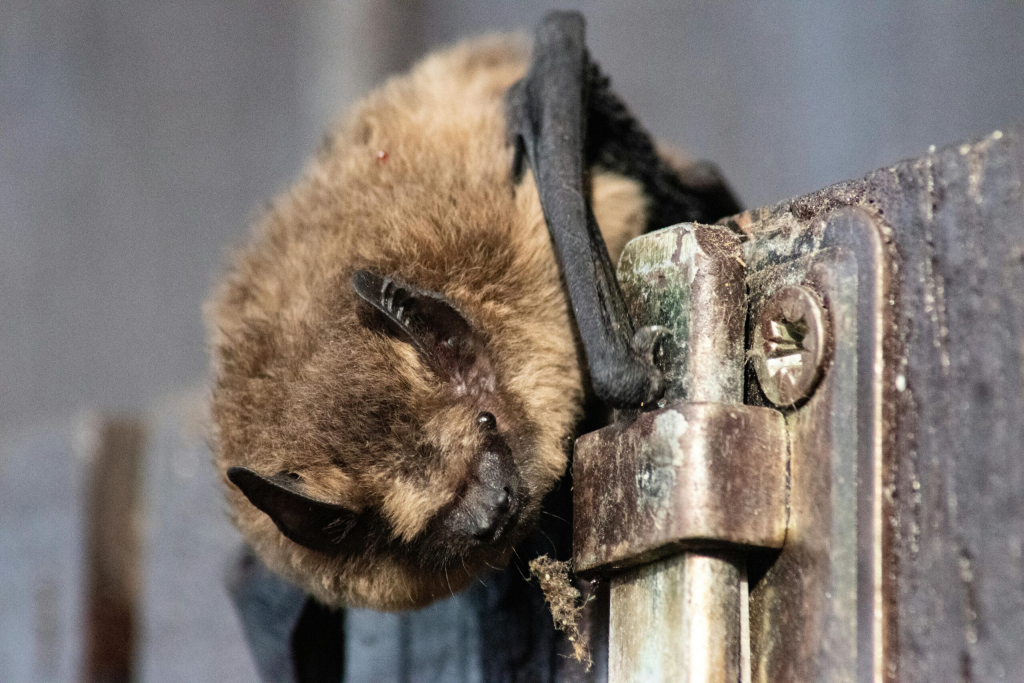
Our specialist bat ecologists deliver all types of bat surveys, from Preliminary Roost Assessments to full dusk and dawn activity surveys, ensuring complete compliance with UK legislation and best practice. Whether your project involves minor works or large-scale development, we provide clear mitigation advice, roost impact assessments, and licensing support to keep your project on track while safeguarding protected bat species.
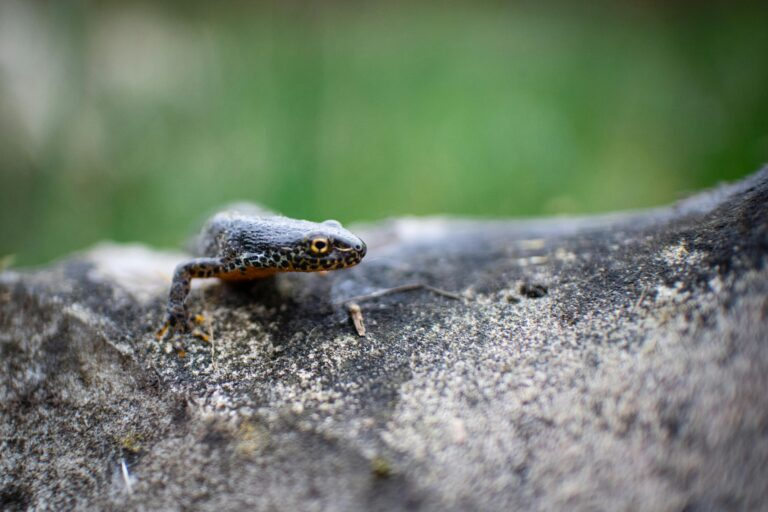
Newt Surveys (GCN)
Our specialist GCN ecologists carry out all types of great crested newt surveys, including Habitat Suitability Index assessments, environmental DNA testing, and full population-level surveys. Whether your development is simple or complex, we provide clear mitigation strategies, licensing support, and legally compliant guidance to ensure your project progresses smoothly while protecting this fully protected species.
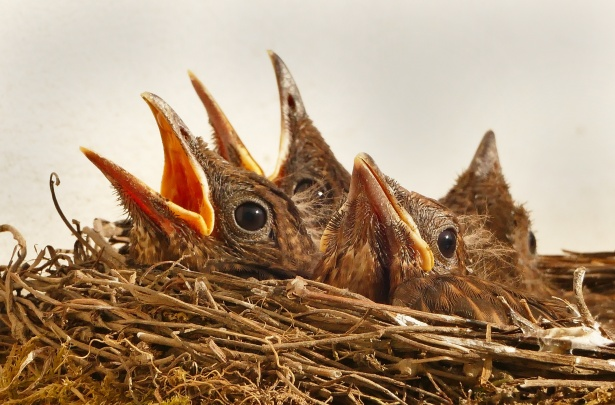
Nesting Bird Surveys
Our specialist nesting bird ecologists undertake comprehensive nesting bird surveys to identify active nests, assess breeding activity, and ensure full compliance with the Wildlife and Countryside Act 1981. Whether you’re planning vegetation clearance, construction, or site maintenance, we provide clear guidance, legally robust mitigation, and practical solutions to keep your project moving while safeguarding protected bird species.

Badger Surveys
Our specialist badger ecologists undertake comprehensive badger surveys, including sett identification, activity monitoring, and impact assessments in line with UK legislation. Whether your project involves minor groundworks or major infrastructure development, we provide clear, practical mitigation advice and licensing support to ensure works proceed legally and responsibly while safeguarding local badger populations.

Reptile Surveys
Our specialist reptile ecologists carry out all types of reptile surveys, from habitat suitability assessments to full presence/absence and population surveys for species such as grass snakes, slow worms, and common lizards. We provide clear mitigation strategies, translocation plans, and compliance-focused guidance to help your project move forward smoothly while protecting these vulnerable species and their habitats.

Dormouse Surveys
Our specialist ecologists undertake all types of dormouse surveys, including nest tube monitoring, nut searches, and habitat assessments in line with best-practice guidance and licensing requirements. Whether you’re planning vegetation clearance or large-scale infrastructure works, we provide clear mitigation advice, robust survey data, and full licensing support to ensure your project progresses legally and responsibly while protecting this highly sensitive species.
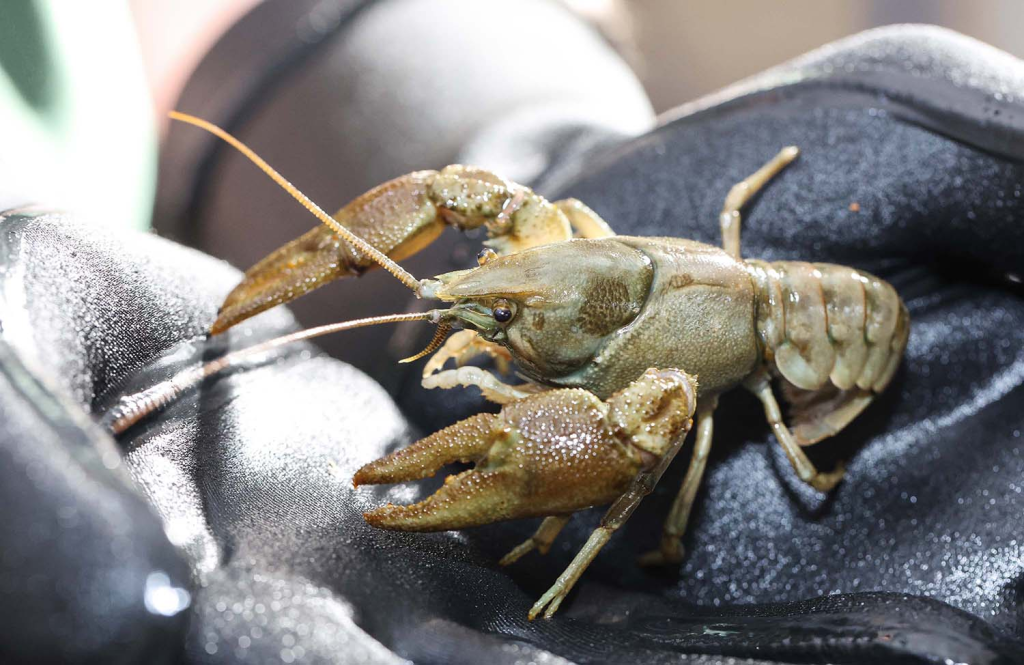
Crayfish Surveys
Our specialist white-clawed crayfish ecologists carry out detailed surveys, including habitat assessments, refuge searches, and nocturnal torching, following best-practice conservation and licensing guidance. Whether your project affects streams, rivers, or riparian environments, we provide clear mitigation strategies, impact assessments, and practical solutions to help your development proceed responsibly while safeguarding this threatened native species.

eDNA Testing
By partnering with the UK’s leading forensic lab, SureScreen, we continue being the UK’s leading eDNA ecology consultancy.
Thanks to recent science and our partnership, we can now sample eDNA for a range of aquatic and terrestrial organisms even very small populations, including for great crested newts, white-clawed crayfish, water voles, fish and bat species identification.

Protected Species in your area
Using an understanding of every local council, we cover the midlands and further afield. Find your local planning authority from the list below.

Protected Species and the law
As a developer, you will find everything you need to know about protected species, the law and considerations in this section.

Protected Species insights
Learn more about the protected species, survey case studies, current protected species policies and what the future for our natural world looks like..
Protected Species Surveys:
A Complete Guide for UK Developers

Fully Accredited
We’re fully accredited, licenced and insured. Our experienced ecologists are full members of CIEEM, licenced by Natural England and are covered by comprehensive insurances.
Fast & Reliable

Recommended

100% Success
Carrying out professional protected species surveys ensures your development complies with UK wildlife protection laws, safeguards important habitats and species, and reduces the risk of costly delays, enforcement action or ecological mitigation later in the project. Early surveys and timely ecological reports streamline planning consent and support sustainable development.
This comprehensive guide covers what protected species surveys involve, why they are essential, the legal framework, common species surveyed, survey methodologies and reporting standards, plus practical steps to secure compliance.
Find out how The BNG Guy can deliver specialist protected species surveys, clear ecological assessments and mitigation advice to keep your project on time and on the right side of legislation.
Frequently Asked Questions About Protectes Species
What Types Protected species surveys: why they’re essential for your planning application
Local planning authorities require robust protected species surveys as part of planning applications to prove your development won’t harm wildlife, comply with environmental law, and avoid costly delays or enforcement action.
How long do protected species surveys take?
Protected species surveys vary: an initial protected species survey or desk-based assessment can often be completed within a day, but full, species-specific protected species surveys usually require multiple site visits over set seasonal windows and can take several weeks to several months. Duration depends on the target species, habitat, survey methods, weather conditions and any necessary licensing or repeat visits to meet survey standards.
Can I start work before protected species surveys are completed?
No — beginning work before protected species surveys and ecological clearance are complete can lead to committing a wildlife offence. Always wait for the survey results, required mitigation or a licence to avoid legal penalties and protect vulnerable wildlife.
What happens if protected species are found during protected species surveys?
If protected species are identified during protected species surveys, your ecologist will recommend appropriate mitigation measures, advise on any necessary licensing, and propose alterations to the project design or timing to ensure legal compliance, reduce harm, and maintain project progress.
How much do protected species surveys cost?
The cost of protected species surveys varies based on the target species, survey season and intensity, site size and complexity, and any required licences or mitigation. Typical factors that influence pricing include surveyor experience, number of visits, access requirements and report or licence application fees. We provide tailored, transparent quotes for protected species surveys before any work begins so you can compare options and budget confidently.
Do protected species surveys need to be carried out on small sites?
Yes—protected species surveys are often required even on very small sites. Species such as bats, nesting birds, amphibians and reptiles can occupy gardens, lofts, small ponds and hedgerows, so a professional protected species survey can identify risks and help secure planning permission and legal compliance.
What are the penalties for harming protected species?
Harming a protected species can lead to criminal prosecution, unlimited fines and lengthy project delays; commissioning thorough protected species surveys early helps mitigate risk and demonstrate compliance with wildlife protection laws.
What Are Protected Species Surveys?
Protected species surveys are specialist ecological assessments that identify legally protected wildlife and their habitats on or adjacent to development sites. These surveys guide compliance with wildlife protection laws, reduce planning risks, and help developers avoid costly delays or legal penalties.
Typical protected species surveys assess:
- Presence or absence of protected species such as bats, great crested newts, badgers, otters, breeding birds, and reptiles
- Habitat suitability and ecological value of land, waterbodies, trees, buildings and hedgerows
- Potential impacts of development including disturbance, habitat loss, and fragmentation
- Mitigation, compensation or licensing requirements needed to lawfully proceed with works
Local planning authorities, architects, planners and developers commission protected species surveys to meet planning conditions, support ecological reports, secure licences where necessary, and demonstrate best practice in biodiversity protection.
What Is a Protected Species?
Protected species surveys are essential in the UK to identify plants, animals and habitats that are legally protected under environmental law. These surveys assess risks such as killing or injuring species, disturbance during breeding, hibernation or resting, damage or obstruction of access to breeding or resting places, and destruction of habitats vital for survival.
- Killing or injuring protected species
- Disturbance during breeding, hibernation or resting
- Damaging or obstructing access to breeding or resting sites
- Destroying habitats essential to species survival
Protected species surveys must reference key legislation, including the Wildlife and Countryside Act 1981 (as amended), the Conservation of Habitats and Species Regulations 2017, the Natural Environment and Rural Communities (NERC) Act 2006, and the Protection of Badgers Act 1992. Compliance with these laws is a core part of survey reporting and mitigation planning.
Failing to carry out adequate protected species surveys or ignoring survey findings can lead to prosecution, heavy fines, project delays and enforcement action. Early commissioning of professional protected species surveys reduces risk, supports planning applications, and helps developers implement mitigation and licensing where needed.
Why Protected Species Surveys Matter in Development
Construction, demolition and land clearance can disrupt habitats and harm wildlife. Even small works—roof repairs, garden landscaping or minor extensions—can impact protected species, so timely protected species surveys are essential.
Protected species surveys are vital because they:
- Reveal ecological constraints early through targeted protected species surveys
- Help prevent unlawful harm to wildlife by identifying protected species
- Provide the evidence planners need to support planning applications
- Reduce project risk and costs by resolving ecological issues sooner
- Offer clear mitigation measures or licensing advice based on survey results
Local planning authorities (LPAs) will not validate applications without adequate ecological information. Commissioning professional protected species surveys early keeps your project on schedule, prevents delays and avoids costly ecological surprises later.
Species Commonly Surveyed in the UK
Protected species surveys are essential for developments affecting habitats and structures. These surveys identify risks to wildlife, ensure legal compliance, and inform mitigation for a wide range of species most frequently encountered on development sites.
Bat Surveys
Bats are fully protected and commonly impacted by building works and tree works. Effective protected species surveys for bats evaluate roost potential in buildings, mature trees, bridges, tunnels and other structures and use targeted methods to detect presence and activity. Typical survey techniques include:
- Preliminary roost assessment (PRA) to assess suitability and risk
- Dusk and dawn activity surveys to record emergence and foraging
- Climb-and-inspect tree surveys for cavity and roost features
- Thermal and infrared monitoring to detect roosting bats and flight paths
Great Crested Newts (GCN) surveys
Great Crested Newts are a protected amphibian often associated with ponds and surrounding terrestrial habitat. Targeted protected species surveys for GCN assess aquatic and land habitats to determine presence and guide mitigation. Common survey methods include:
- Habitat Suitability Index (HSI) scoring to evaluate pond value
- eDNA testing for efficient, sensitive detection of GCN
- Traditional bottle-trapping, torch surveys and netting to confirm presence and abundance
Reptile Surveys
Protected species surveys for reptiles focus on common species—grass snakes, slow-worms, adders and various lizards—protected from killing and injury. Our reptile surveys include targeted methods to locate and evaluate populations and habitats to inform mitigation and planning.
- Refugia and artificial shelter surveys to detect presence
- Detailed habitat suitability and connectivity assessments
- Catch, translocation and mitigation protocols where required
Badger Surveys
Badgers and setts are protected and require specific protected species surveys to inform development and land management. Surveys identify sett status, social use and potential impacts to ensure legal compliance and effective mitigation.
- Accurate sett mapping and activity classification
- Foraging range and habitat use assessments
- Evaluation of disturbance risk and mitigation planning
Nesting Bird Surveys
All wild birds are legally protected while nesting. Our protected species surveys for nesting birds identify active nests, breeding pairs and nesting habitat to guide timing, avoidance and mitigation measures that prevent harm during development or maintenance works.
- Systematic surveys to locate active nests and breeding territories as part of protected species surveys
- Detailed assessment of nesting habitat risk within development sites to inform planning and licence needs
- Seasonal constraints, mitigation and compliance strategies to minimise disturbance and meet legal requirements
Hazel Dormice Surveys
Hazel dormice are a European Protected Species (EPS) that require licensed survey effort. Our protected species surveys for dormice combine field methods and habitat evaluation to determine presence and inform licence applications and mitigation:
- Nest tube and nest box monitoring as standard dormouse survey techniques
- Comprehensive habitat assessments to map connectivity, food resources and suitability
- Targeted nut searches and inspection of potential nest sites to confirm activity
Otter & Water Vole Surveys
Protected species surveys for otters and water voles are essential for riparian and wetland projects. Our targeted surveys identify presence, inform mitigation and ensure compliance with wildlife protection regulations by assessing:
- Holts, rest sites and potential refuge areas
- Watercourse habitat suitability and connectivity
- Feeding signs, footprints and other activity indicators
White-Clawed Crayfish Surveys
Protected species surveys for white-clawed crayfish support watercourse works where this declining species may occur. Our surveys combine field methods and best-practice biosecurity to protect populations and guide development decisions, including:
- Targeted trapping and species detection
- Detailed habitat assessments and distribution mapping
- Site-specific biosecurity and mitigation measures
When Are Protected Species Surveys Required?
Protected species surveys are often required before development or land management where there is a risk to wildlife. You should consider commissioning protected species surveys if any of the following apply:
- Your local planning authority (LPA) biodiversity checklist flags ecological constraints or requests further evidence
- The site contains suitable habitat for protected species (hedgerows, ponds, trees, old buildings, watercourses, species-rich grassland)
- A Preliminary Ecological Appraisal (PEA) or Extended Phase 1 Habitat Survey identifies potential signs, features or risk of protected species presence
- Planned works include demolition, excavation, tree works, substantial vegetation clearance or other activities that could disturb protected species or their habitats
The typical process starts with an Extended Phase 1 Habitat Survey / Preliminary Ecological Appraisal (PEA). Where the PEA highlights potential risk, targeted protected species surveys (bat surveys, great crested newt surveys, badger surveys, bird surveys, reptile surveys, etc.) should follow to assess presence, inform mitigation and support planning decisions or protected species licences.
Protected Species Survey Methods
Protected species surveys often include a mix of field and lab techniques tailored to target species and habitats.
- Visual inspections of buildings, trees, ponds, and surrounding habitats to identify signs of protected species and evidence of use
- Acoustic monitoring using bat detectors and other listening devices to record protected species activity
- Camera traps and thermal imagery to detect elusive protected species with minimal disturbance
- Netting, live trapping, and refugia checks carried out by licensed ecologists for species-specific protected species surveys
- eDNA sampling to confirm presence of protected species from water or soil samples
- Tree-climbing inspections for roosting or nesting protected species in canopy habitats
- Habitat suitability and risk assessments to evaluate potential impacts and mitigation needs for protected species
Many protected species surveys must be completed within strict seasonal survey windows; missing these windows causes delays. Early planning and commissioning of protected species surveys ensures compliance and reduces project risk.
Planning Applications and Protected Species Surveys
Most local planning authorities (LPAs) follow DEFRA, Natural England and BS42020 guidance and routinely require protected species surveys as evidence before validating or determining planning applications.
You may be asked to provide the following protected species surveys and related documents:
- Protected species survey reports (bat, great crested newt, reptiles, birds and other priority species)
- Site-specific mitigation strategies informed by protected species surveys
- European Protected Species (EPS) licensing documentation where required
- Habitat creation, compensation plans and management plans arising from survey findings
- Biodiversity Net Gain (BNG) metric calculations incorporating protected species survey data
Failing to commission timely protected species surveys often results in:
- Planning refusal due to insufficient ecological evidence
- Requests for further information (RFIs) delaying decision timescales
- Costly on-site delays while late-season surveys are arranged
- Enforcement notices and potential legal risk if protected species are impacted
Engaging an ecologist early to undertake protected species surveys is the most cost-effective way to de-risk planning submissions, secure necessary licences and deliver compliant mitigation and BNG outcomes.
Protected Species Surveys from The BNG Guy
At The BNG Guy, we deliver expert, fully compliant protected species surveys throughout the UK, trusted by developers, planners and landowners to reduce ecological risk and secure planning consent.
Our team includes licensed ecologists specialising in:
- Bats — roost assessments, emergence surveys and mitigation plans
- Great crested newts — eDNA, presence/absence and mitigation licensing
- Hazel dormice — nest tube surveys and habitat management advice
- Barn owls — breeding surveys and barn conversion assessments
- White-clawed crayfish — population checks and freshwater habitat evaluations
We navigate wildlife legislation, planning policy and ecological risk to provide proportionate, evidence-led protected species surveys. Whether assessing a bat roost, surveying brownfield reptiles or evaluating GCN ponds near development, we produce clear reports, mitigation strategies and licencing support to keep projects on time and compliant.
Why Choose The BNG Guy for Protected Species Surveys?
- Protected species surveys by licensed, experienced ecologists
- Fast-turnaround protected species survey reports for planning applications
- Competitively priced, planning-ready protected species surveys
- Climb-and-inspect tree surveys to reduce the need for traditional protected species checks
- Precise protected species advice backed by current legislation and policy
- Full support for EPS licences (Natural England) for protected species works
- Integrated Biodiversity Net Gain (BNG) assessments and UKHab mapping included with surveys
- Clear, actionable mitigation and management plans following protected species surveys
Trusted Reporting and Clear Guidance
All protected species surveys and survey reports are prepared to the highest professional standards to support planning and compliance.
- Aligned with Natural England Standing Advice for protected species surveys
- Prepared to CIEEM standards for ecological surveys
- Compliant with BS42020 biodiversity management guidance
- Meets local planning policy requirements for protected species surveys
We deliver protected species survey reports that are:
- Clear and concise for planners and decision makers
- Evidence-based, with robust data and ecological rationale
- Suitable for planning submission and mitigating planning risk
- Fully compliant with UK wildlife protection legislation
Our expert protected species surveys and guidance reduce project delays, control unexpected costs, and minimise enforcement risk, helping projects progress smoothly through the planning process.
Don’t Miss the Survey Season
Protected species surveys are time-sensitive and essential for planning permission and ecological compliance. Scheduling protected species surveys at the correct time of year ensures accurate results and reduces the risk of project delays.
Key protected species surveys and optimal survey windows:
- Bat activity surveys — May–September (peak activity months for bat emergence and foraging)
- Great crested newt (GCN) traditional surveys — Mid‑March–June (terrestrial to aquatic transition period)
- GCN eDNA surveys — Mid‑April–June (optimal for detecting breeding populations via water samples)
- Reptile surveys — April–September (warmer months when reptiles are most active)
- Dormouse surveys — April–November (nest-tube checks and nest searches during active season)
Missing a protected species survey window can delay planning permission for months and increase costs. Book protected species surveys early to protect timelines, avoid costly disruptions, and ensure regulatory compliance.