
The introduction of mandatory Biodiversity Net Gain (BNG) legislation has created a significant opportunity for UK landowners to generate long-term revenue while contributing to environmental recovery. Under this framework, developers must demonstrate that their projects leave nature in a measurably better state than before development, creating substantial demand for off-site biodiversity units from landowners who enhance or create habitats on their land.
This comprehensive guide walks you through the complete process of selling BNG units as a landowner, from initial assessment to final sale completion.
Who Can Sell BNG Units?
Eligible Sellers
You can sell biodiversity units if you own the land or manage it on behalf of the landowner with their explicit written consent. This includes:
- Landowners and estate owners
- Farmers (including tenant farmers with landowner agreement)
- Land agents acting on behalf of owners
- Leaseholders with appropriate permissions
- Habitat bank operators
- Planning authorities using publicly-owned land
Key Requirements
Before proceeding, verify your legal right to sell units by checking the land registry to confirm the registered title and identify any constraints. If you're managing land on behalf of someone else, you must obtain and demonstrate written consent from the landowner to undertake BNG activities on that land.
Tenant farmers can absolutely sell units, but require agreement from the main landowner. Conversely, landowners need agreement from affected tenants to undertake BNG activities on tenanted land.
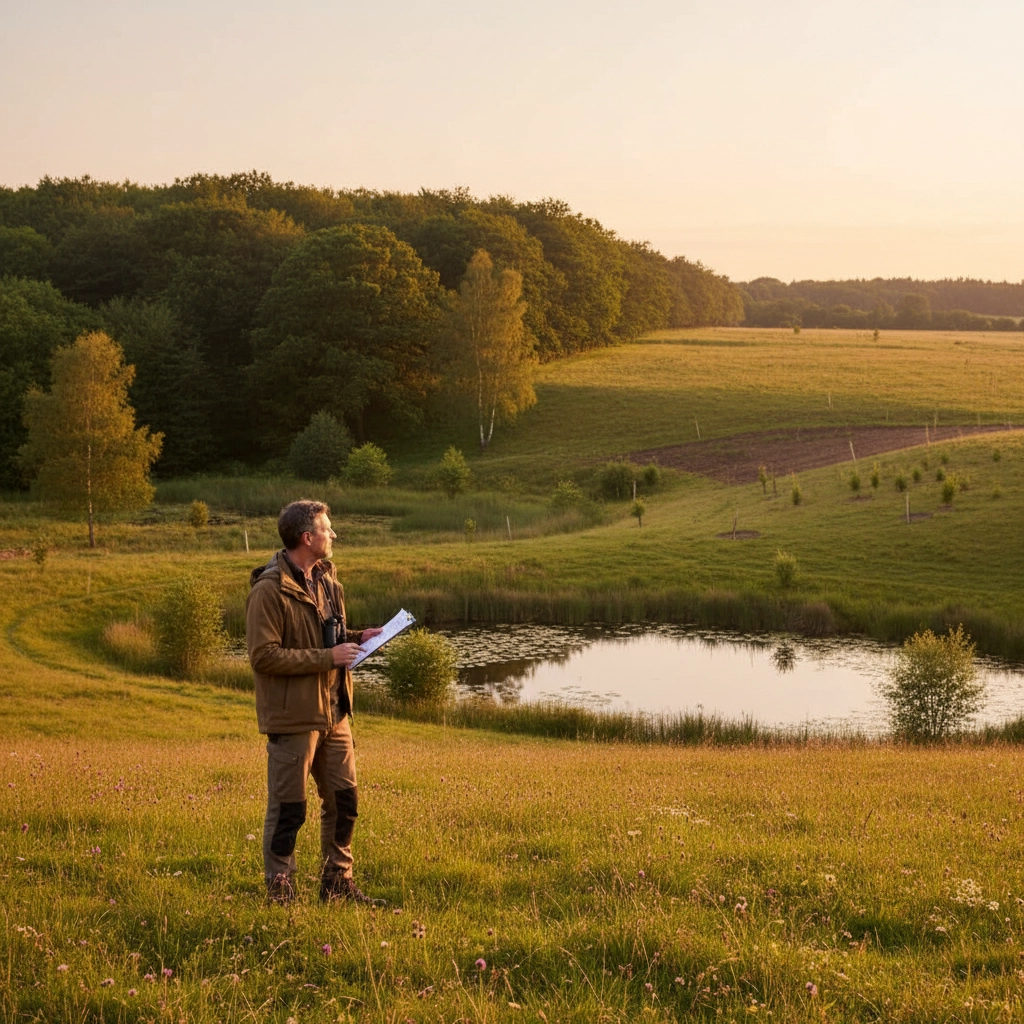
Step 1: Calculate Your Current Biodiversity Value
Baseline Habitat Survey
The first critical step involves conducting a comprehensive baseline habitat survey to determine your land's current biodiversity value. This assessment should be carried out by a competent ecologist who will:
- Survey existing habitats and their current condition
- Calculate existing biodiversity units using the statutory biodiversity metric
- Identify opportunities for habitat enhancement, creation, or restoration
- Model potential additional units that could be produced
Maximising Unit Potential
When considering which habitats to create or enhance, ensure they align with surrounding ecosystems and consult your Local Nature Recovery Strategy to maximise the number of units per hectare. Higher-value habitats typically generate more units and command better prices in the marketplace.
Step 2: Choose Your Selling Strategy
Direct Sales vs. Habitat Bank Operators
You have several options for bringing your units to market:
- Direct sales: Market and sell units independently to developers
- Partnership arrangements: Collaborate with other local landowners to create larger habitat banks
- Habitat bank operators: Work with specialist companies who handle marketing, legal arrangements, and ongoing management
Timing Considerations
Decide whether to begin habitat creation before securing a buyer or wait until you have a confirmed purchaser. Starting early demonstrates commitment and allows habitats to mature, but requires upfront investment without guaranteed returns.
Step 3: Secure Legal Agreements
30-Year Commitment Requirement
To sell biodiversity units, you must commit to creating and managing habitats for at least 30 years under a legally binding agreement. Two types of legal agreements are available:
- Section 106 (S106) Agreements: Overseen by the local planning authority
- Conservation Covenants: Managed by a responsible body appointed by the Secretary of State
Habitat Management Plans
Your legal agreement must include a detailed habitat management and monitoring plan, agreed with the local planning authority or responsible body. This plan must specify:
- Habitat management procedures for the 30-year period
- Monitoring and reporting requirements
- Review procedures and adaptation protocols
- Restoration plans if habitats fail to develop as expected
Templates and guidance for these plans are available through the government's BNG guidance.

Step 4: Register as a Biodiversity Gain Site
National BNG Register
Before selling units, your land must be registered on the National Biodiversity Gains register, operated by Natural England. This register publicly lists sites contributing to BNG requirements, providing transparency and verification for the market.
Registration Documentation
The registration process requires:
- Completed habitat baseline survey results
- Biodiversity metric calculations showing unit generation potential
- Details of your legal agreement (S106 or Conservation Covenant)
- Proof of entitlement to register the land (if registering on behalf of a third party)
Important Note: Contact details are not published on the register, so it cannot be used for direct buyer-seller connections.
Step 5: Find Buyers for Your Units
Marketing Channels
Multiple avenues exist for connecting with developers who need biodiversity units:
Online Marketplaces: Several private platforms facilitate connections between unit sellers and buyers, though these are commercial services rather than government-run exchanges.
Professional Networks: Connect through:
- Land agents specialising in environmental markets
- BNG brokers and intermediaries
- Local planning authorities who may maintain lists of available units
- Habitat bank operators with established buyer networks
Local Authority Habitat Banks: Some councils, including Warwickshire County Council and Nottinghamshire County Council, operate their own habitat banks offering units to developers within their administrative areas.
Direct Developer Outreach: Contact major developers, house builders, and infrastructure companies directly, particularly those active in your local area.
Step 6: Complete the Sale
Legal Documentation
When selling units, seek professional legal advice before finalising agreements. Your sale contract should address:
- Number and type of units being allocated
- Your ongoing obligations for habitat management and monitoring
- Payment terms and schedules
- Deposit arrangements (if the developer prefers to delay completion until their biodiversity gain plan receives approval)
- Compliance requirements and penalty provisions
Due Diligence Requirements
Ensure all regulatory compliance requirements are met, including:
- BNG register entries are accurate and current
- Legal agreements are properly executed and filed
- Habitat management plans are approved by the relevant authority
- Monitoring protocols are established and documented
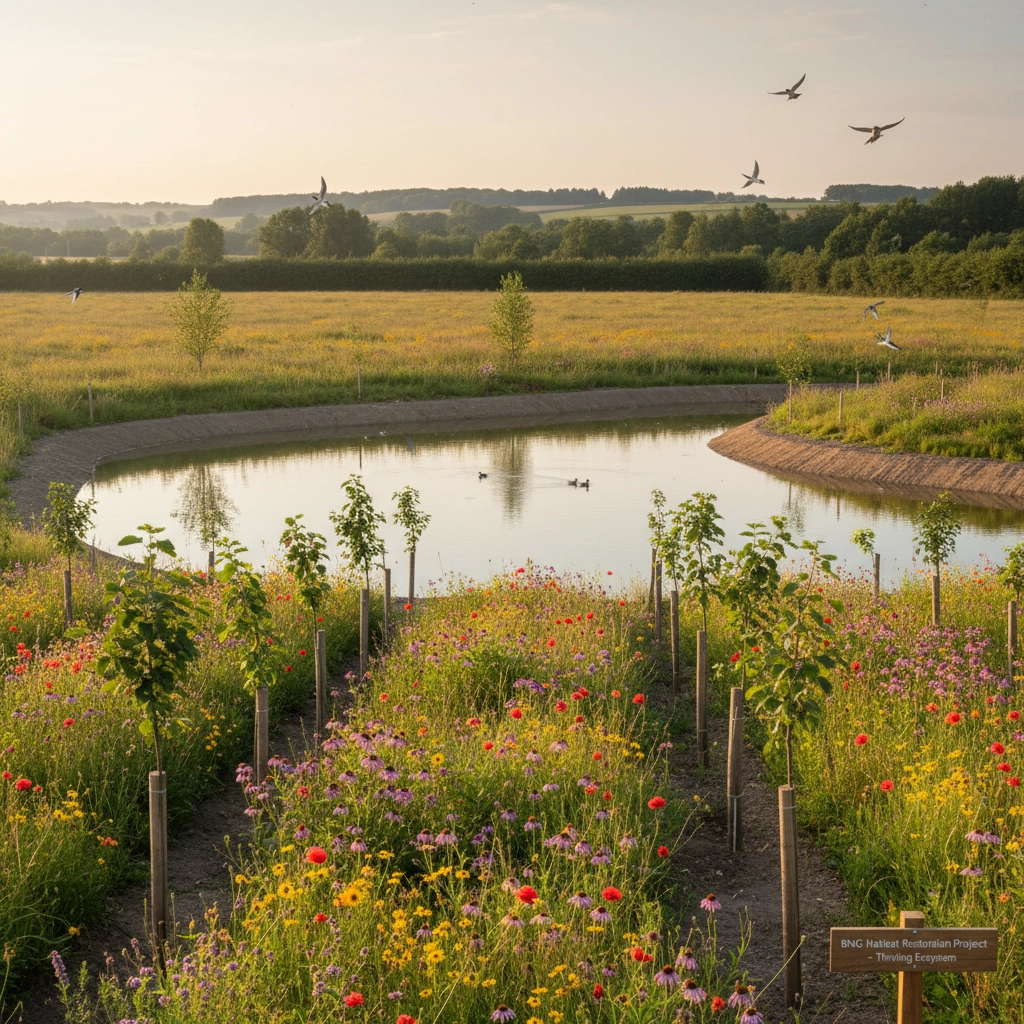
Pricing and Market Considerations
Factors Affecting Unit Prices
BNG units are sold on a private market without standardised pricing. Key factors influencing value include:
- Habitat type: Woodland, grassland, and wetland units typically command different prices
- Location: Proximity to development pressure and transport links affects demand
- Unit quality: Higher distinctiveness habitats generate more valuable units
- Supply and demand: Local market conditions in your area
- Legal certainty: Strength of legal agreements and management plans
Cost Considerations
Factor in all associated costs when pricing your units:
- Habitat creation and enhancement expenses
- 30 years of ongoing management costs
- Legal fees for agreements and registration
- Monitoring and reporting expenses
- Professional fees for ecological surveys and metric calculations
For guidance on current market rates, visit our BNG unit costs page.
Environmental Payments and Additional Revenue
Combining Revenue Streams
Before committing to BNG, explore what environmental payment schemes you can combine with unit sales:
- Environmental Land Management Schemes: Some activities may be eligible for both BNG and ELM payments
- Woodland Creation Grants: Tree planting for BNG may qualify for additional funding
- Local Environmental Improvement Schemes: Check for regional programs supporting habitat creation
Long-term Land Use Planning
Consider how BNG unit creation fits into your broader land management strategy. The 30-year commitment represents a significant portion of land use, so ensure it aligns with your long-term farming or estate management objectives.
Working with The BNG Guy
Expert Assessment and Registration
Our experienced ecology team can guide you through every stage of the BNG unit creation and sale process. We provide:
- Comprehensive baseline habitat surveys using the latest biodiversity metric
- Habitat enhancement and creation planning to maximise unit generation
- Legal agreement preparation and registration support
- Ongoing monitoring and management plan development
To discuss your BNG unit potential, visit our biodiversity net gain services page.
Key Takeaways
Selling BNG units represents a significant opportunity for landowners to generate long-term revenue while contributing to environmental recovery. Success requires careful planning, professional expertise, and adherence to regulatory requirements.
The 30-year commitment is substantial, but with proper habitat management, landowners can create valuable ecosystems while accessing new revenue streams. As the BNG market matures, early participants who establish credible, well-managed sites are likely to benefit from premium pricing and strong buyer relationships.
For personalised advice on your BNG unit potential and market opportunities, contact The BNG Guy team. Our ecological consultants provide comprehensive support from initial assessment through to final unit sale completion.