
Remember 2024? Back when Biodiversity Net Gain (BNG) was the “new kid” on the planning block and landowners were still scratching their heads over the word “additionality”?
Fast forward to March 2026, and the landscape has changed. What was once a confusing regulatory hurdle has blossomed into a sophisticated green secondary market. For landowners, habitat banking isn’t just about “doing your bit” for the planet; it’s a high-yield, long-term diversification strategy that can outperform traditional grazing or arable yields.
At The BNG Guy, we’ve seen the market mature. We’ve seen the “Green Gold Rush” settle into a professional, regulated industry where precision beats guesswork every single time.
This has created a new environmental market — where landowners can generate and sell BNG units by enhancing land for nature.
If done correctly, a habitat bank can:
- Generate long-term, index-linked income
- Diversify rural land use
- Increase land value
- Deliver genuine ecological benefits
But it is not simple — and getting it wrong can cost tens of thousands.
If you’re sitting on land and wondering if you should stop fighting the thistles and start growing habitat units, this guide is for you.
1. What is a Habitat Bank?
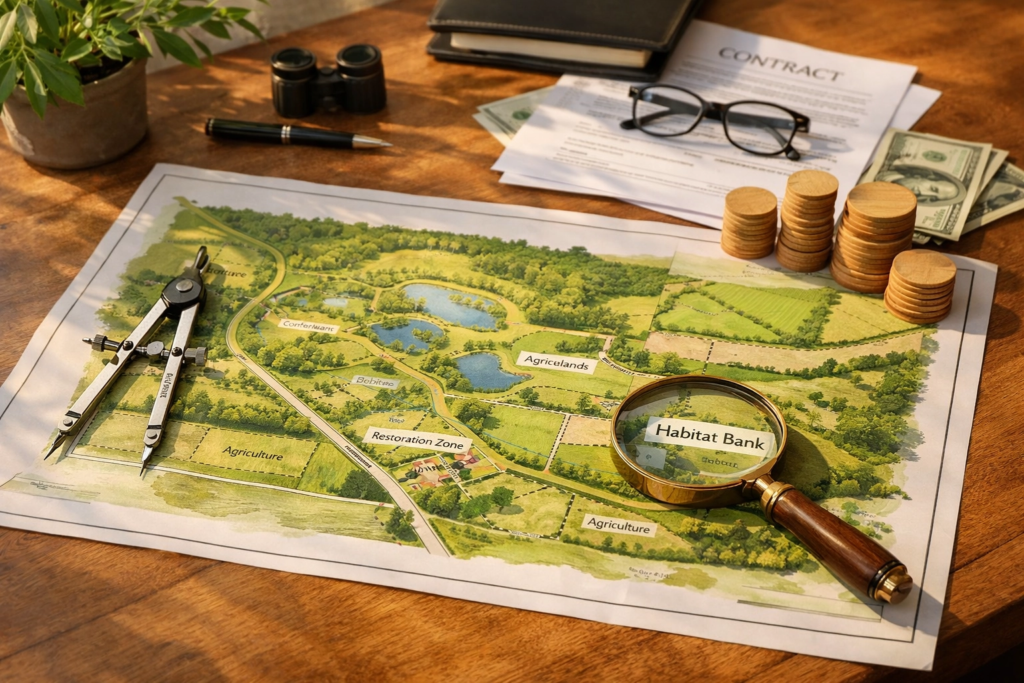
A habitat bank is a parcel of land where habitat creation or enhancement is “pre-registered.” You aren’t just planting a few trees; you are creating a legally secured, 30-year environmental asset. Once the land is registered on the national Biodiversity Gains Site Register, you can sell the “uplift” (the difference between what the land was and what it will become) as units to developers.
A habitat bank is land that is:
- Assessed using the Statutory Biodiversity Metric
- Enhanced to create biodiversity units
- Legally secured for 30+ years
- Registered and sold to developers as off-site BNG units
In simple terms:
You convert land → into biodiversity value → into a sellable asset.
2. Why Habitat Banks Exist
Under the mitigation hierarchy:
- Avoid
- Minimise
- Restore
- Offset (BNG units) ← this is where you come in
Developers must buy units when they cannot achieve BNG on-site.
This creates:
- High demand
- Limited supply (currently)
- Strong pricing potential
3. Types of BNG Units You Can Sell
Not all units are equal. The metric assigns different values depending on habitat type, condition, and risk.
Key unit types:
| Unit Type | Examples | Value |
|---|---|---|
| Area-based habitats | Grassland, woodland, wetlands | Core market |
| Hedgerow units | New/enhanced hedgerows | High demand |
| River units | Streams, riparian corridors | Specialist, high value |
💡 Insight:
Species-rich grassland, wetlands, and woodland creation typically generate the highest returns per hectare.
4. Is Your Land Suitable?
Not all land works for BNG.
Ideal characteristics:
- Low baseline ecological value (e.g. modified grassland)
- Poor agricultural productivity
- Larger parcels (typically 5ha+, but smaller sites can work)
- Located near development pressure (e.g. Midlands, South East)
Constraints to watch:
- Existing high-value habitats (reduces uplift potential)
- Planning designations (SSSI, SAC, etc.)
- Public access or rights of way
- Flood risk (can be opportunity OR constraint)
5. The BNG Metric Explained (Simply)
The Statutory Biodiversity Metric calculates:
Habitat Area × Distinctiveness × Condition × Strategic Significance × Risk multipliers
Key drivers of value:
- Baseline condition (lower = more uplift potential)
- Target habitat distinctiveness
- Time to target condition
- Difficulty of creation
💡 Commercial reality:
The biggest profits come from:
- Starting with low-value land
- Creating high distinctiveness habitats
6. Designing a Habitat Bank (Maximising Units)
This is where most landowners either win or lose money.
High-performing habitat strategies:
1. Grassland Upgrade
- Modified grassland → species-rich grassland
- Reliable, proven, good ROI
2. Wetland Creation
- Ponds, reedbeds, marsh
- High distinctiveness = high unit yield
3. Woodland Creation
- Moderate returns but strong long-term stability
4. Mosaic Habitats (BEST STRATEGY)
Combine:
- Grassland
- Scrub
- Wetland
- Trees
The “Condition” Aspect: Why Quality Matters
You don’t just get paid for having a field; you get paid for the quality of that field. In the BNG metric, “Condition” is a multiplier. A “Good” condition grassland is worth significantly more than a “Poor” condition one.
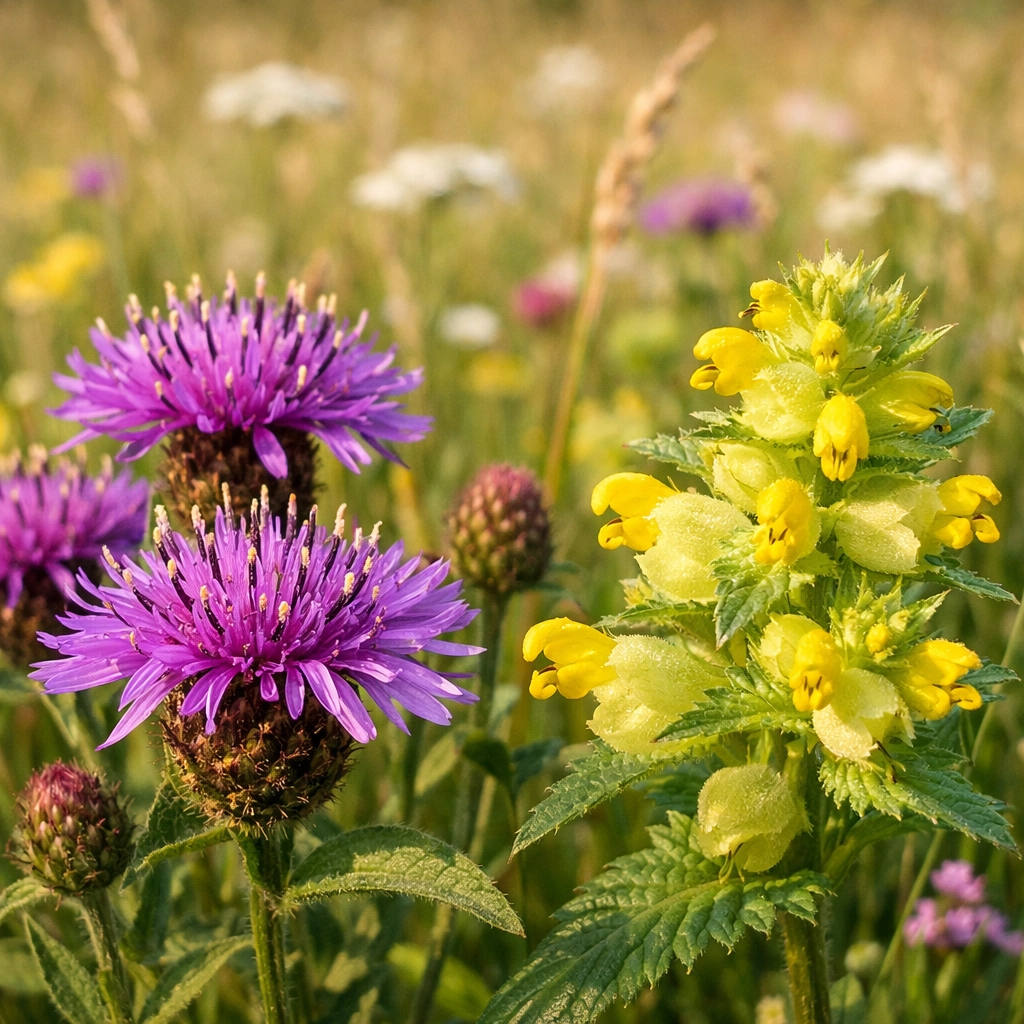
Achieving “Good” condition requires active management. This isn’t “set it and forget it.”
👉 This maximises ecological diversity AND metric output
7. Legal Requirements (CRITICAL)
You cannot sell units without legal security.
You must secure the site via:
1. Section 106 Agreement
- Tied to planning permission
- Most common route
2. Conservation Covenant
- Private legal agreement
- Increasingly popular
Key obligations:
- Minimum 30-year management
- Monitoring and reporting
- Habitat delivery milestones
- Financial guarantees
💡 Warning:
Once secured, you are legally bound — this is a long-term commitment.
8. The BNG Register
All off-site units must be recorded on the Natural England BNG Register.
You will need:
- Metric calculations
- Habitat plan
- Legal agreement
- GIS boundary data
Without this → units cannot be sold
9. How Much Are BNG Units Worth?
The 2026 Market: Why Habitat Units are the New Arable Gold
The demand for biodiversity units uk has hit an all-time high. Developers are legally mandated to deliver a 10% uplift in biodiversity, and as on-site space becomes more expensive, the appetite to buy bng units off-site has skyrocketed.
Current Pricing Trends
In 2026, we’re seeing a fascinating split in the market. The government’s “Statutory Credits” (the last resort for developers) are currently hovering around £42,000 per unit. However, private habitat banks are generally trading between £25,000 and £32,000 per unit depending on the habitat type (distinctiveness) and the local planning authority.
For a developer, buying from a private bank like yours could save them upwards of £15,000 per unit. For you, the landowner, a 10-hectare site could potentially yield dozens of units.
You do the maths: it’s a compelling argument for a landowners diversification project.
That said, prices do vary significantly depending on:
- Location
- Habitat type
- Local supply/demand
Typical ranges (2025–2026 market):
- Grassland units: £20,000 – £25,000+
- Wetland units: £30,000 – £45,000+
- Hedgerow units: £30,000 – £50,000+
10. Costs of Setting Up a Habitat Bank
Upfront costs:
- Ecology surveys & UKHab mapping (£2k–£5k+)
- BNG metric calculations
- Legal agreements (£5k–£20k)
- Habitat creation works (£5k–£25k/ha)
Ongoing costs:
- Annual management
- Monitoring surveys
- Reporting
11. Revenue Model
You generate income by:
- Selling units directly to developers
- Partnering with a broker (e.g. BNG providers)
- Entering long-term supply agreements
Payment structures:
- Upfront lump sum
- Phased payments
- Hybrid models
12. Risks (And How to Avoid Them)
Major risks:
❌ Overestimating unit yield
→ Fix: professional metric modelling early
❌ Choosing wrong habitats
→ Fix: design for metric optimisation, not aesthetics
❌ Legal lock-in without buyers
→ Fix: secure demand before committing
❌ Poor management delivery
→ Fix: robust Habitat Management & Monitoring Plan (HMMP)
13. Step-by-Step Process
Creating a habitat bank isn’t a weekend DIY project. It requires ecological precision and legal airtightness. Here is how we do it at The BNG Guy.
Phase 1: The Feasibility Study (The 48-Hour Dash)
Don’t spend thousands on surveys until you know if the land is viable. We pride ourselves on speed. While other biodiversity net gain consultants might take weeks, we can provide initial desktop quotes in hours and have an ecologist on your site within 48 hours.
- What we look for: Soil type, historical land use, and proximity to “Strategic Significance” areas (which can boost your unit count by 15%).
Phase 2: The Baseline & The Metric
We use the latest Statutory Biodiversity Metric to calculate your current “points.”
- The Baseline: What is there now? (Usually, intensive arable land is the best starting point because its baseline is near zero).
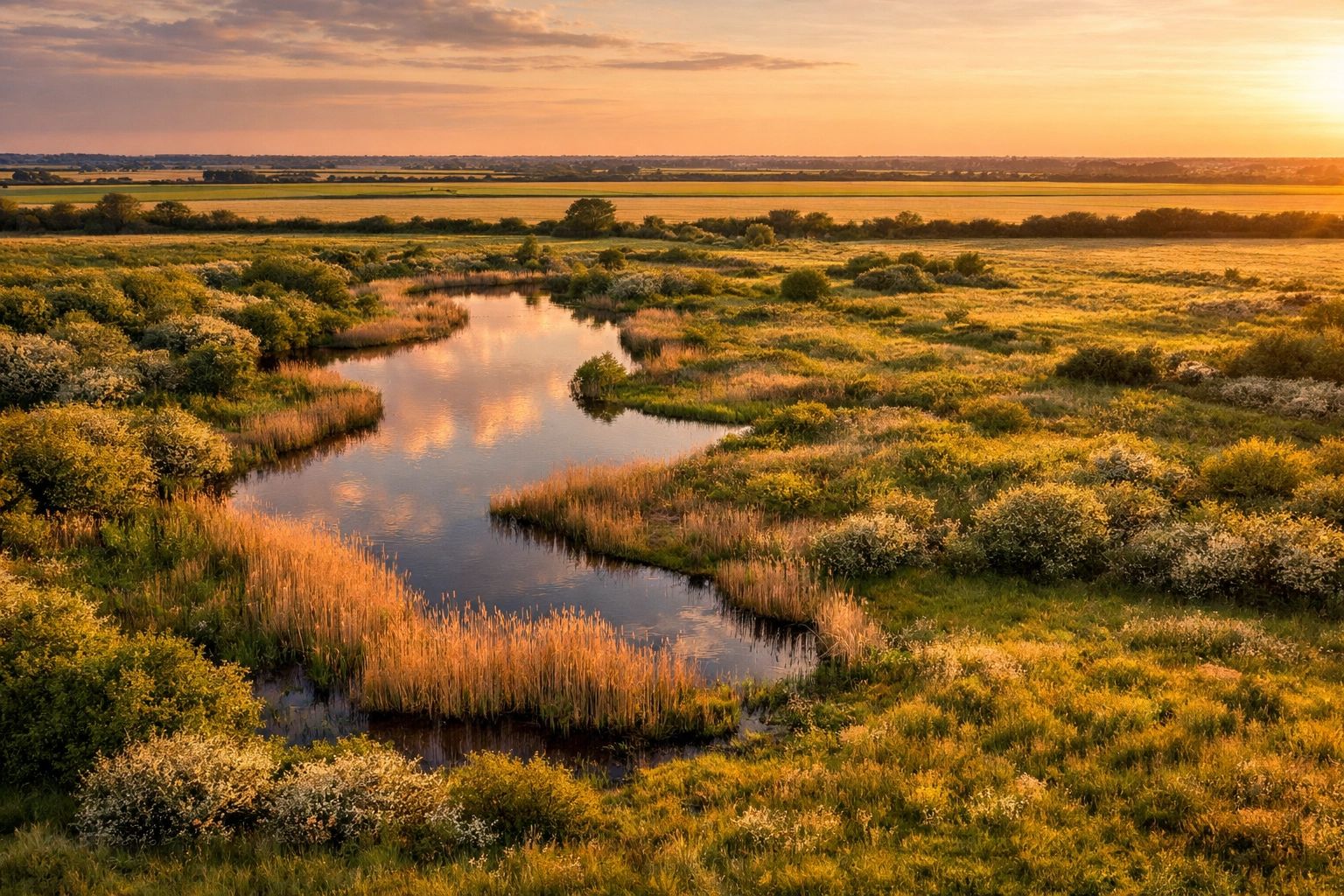
- The Design: We design a “Target Habitat.” This might be species-rich grassland, mixed scrub, or a mosaic of wetlands.
Phase 3: Legal Protection & The 30-Year Plan
To sell bng units for sale, you must secure the land for at least 30 years. This is done via a Section 106 agreement with your local council or a Conservation Covenant.
- You will also need a Habitat Management and Monitoring Plan (HMMP). This is the “instruction manual” for your land for the next three decades.
The 30-Year Reality: What Does Management Look Like?
Being a habitat banker is different from being a traditional farmer, but the skills overlap. Your day-to-day for the next 30 years will involve:
- Conservation Grazing: Using specific breeds (like Highland cattle or Exmoor ponies) to manage grass height without destroying delicate wildflowers.
- Invasive Species Control: Playing “whack-a-mole” with Himalayan Balsam or Creeping Thistle.
- Monitoring: Every few years, biodiversity net gain consultants (that’s us!) will visit to audit the site. We check if the orchids are growing and the scrub is spreading as planned.
- Reporting: Submitting progress reports to the local authority to prove the units you sold are actually “living” on the land.
Phase 4 – Creation
- Habitat establishment works
- Early monitoring
Phase 5 – Registration
- Enter onto BNG Register
Phase 6 – Sales
- Market units
- Enter agreements with developers
14. Advanced Strategy (Where the Real Money Is)
The “Additionality” Factor: Can You Double Dip?
In 2026, the big question is: “Can I sell BNG units AND carbon credits?”
The answer is a nuanced “Yes, but…” This is what the industry calls stacking.
The current DEFRA guidelines allow for stacking, provided you can prove “additionality.” This means the BNG payment pays for the habitat creation, while the carbon credit might pay for the ongoing sequestration. However, you cannot sell the same “outcome” twice.
Pro-Tip: We are also seeing a massive rise in Nutrient Neutrality stacking. If your land is in a sensitive catchment area, you might be able to create a wetland that generates BNG units and nutrient credits simultaneously. This is the “holy grail” of land value.
1. Stack Units (Where Possible)
Combine:
- BNG
- Carbon credits
- Nutrient neutrality
2. Target Local Planning Authorities
Understand:
- Local plan policies
- Spatial strategies
3. Create Scarcity
- Larger banks = stronger negotiating power
- Fewer, higher-quality units = higher price
15. Example Habitat Uplift Strategy (1.5ha Site)
Baseline:
- Modified grassland (moderate condition)
Proposed:
- 0.6ha species-rich grassland
- 0.3ha scrub mosaic
- 0.2ha wetland/reedbed
- 0.1ha ponds
- 0.3ha woodland
👉 This type of layout can:
- Double or triple unit yield
- Create premium units
- Improve saleability
16. How The BNG Guy Can Help
Let’s be honest: the planning system can be a nightmare. It’s slow, it’s pedantic, and it’s full of jargon. We built The BNG Guy to be the antidote to that.
Why Landowners Choose The BNG Guy!
We are recommended by architects and developers because we move at the speed of business, not the speed of bureaucracy. Whether you need protected species surveys to clear the way or a full-scale habitat bank setup, we handle the “ecology headache” so you can focus on your land.
- Quotes in hours.
- Ecologists on-site in rapid time.
- 100% success rate in BNG assessments.

Ready to Turn Your Land into a Habitat Bank?
The window for the best “Strategic Significance” sites is closing as more landowners enter the market. If you want to lock in your baseline and start generating habitat units, the time to act is now.
Don’t let your land sit idle while the 2026 BNG market passes you by. Let’s see what those acres are actually worth.
- UKHab surveys & baseline assessments
- BNG metric calculations
- Habitat bank design
- HMMP production
- Sales strategy & partnerships
👉 From land → to income-generating biodiversity asset.
Frequently Asked Questions (2026 Edition)
Q: Can I still farm the land?
A: Yes, but in a modified way. You can’t use heavy fertilizers or intensive stocking rates, but hay cutting and conservation grazing are usually essential for maintaining habitat condition.
Q: What happens after 30 years?
A: Currently, the legal obligation ends after 30 years. However, the land will likely have high ecological value, and you may be able to re-enter a new 30-year agreement for “enhancement” or look into emerging nature-market rewards.
Q: How do I find developers to buy my units?
A: You can list them on private exchanges, but often, the best way is to work with consultants like us who have a direct pipeline of developers looking to buy bng units for their local projects in Staffordshire, Warwickshire, and beyond.
Conclusion
Habitat banks are one of the most significant opportunities in UK land use today.
But success depends on:
- Getting the baseline right
- Designing for maximum metric output
- Securing legal compliance
- Aligning with market demand
Done properly, a habitat bank can deliver:
- Strong financial returns
- Long-term land security
- Meaningful biodiversity gains